Recent studies have unveiled significant shifts in global climate patterns, producing a clarion call for immediate worldwide action. As temperatures continue to rise, weather systems are being altered in unforeseen ways, contributing to a cascade of effects that demand urgent attention.
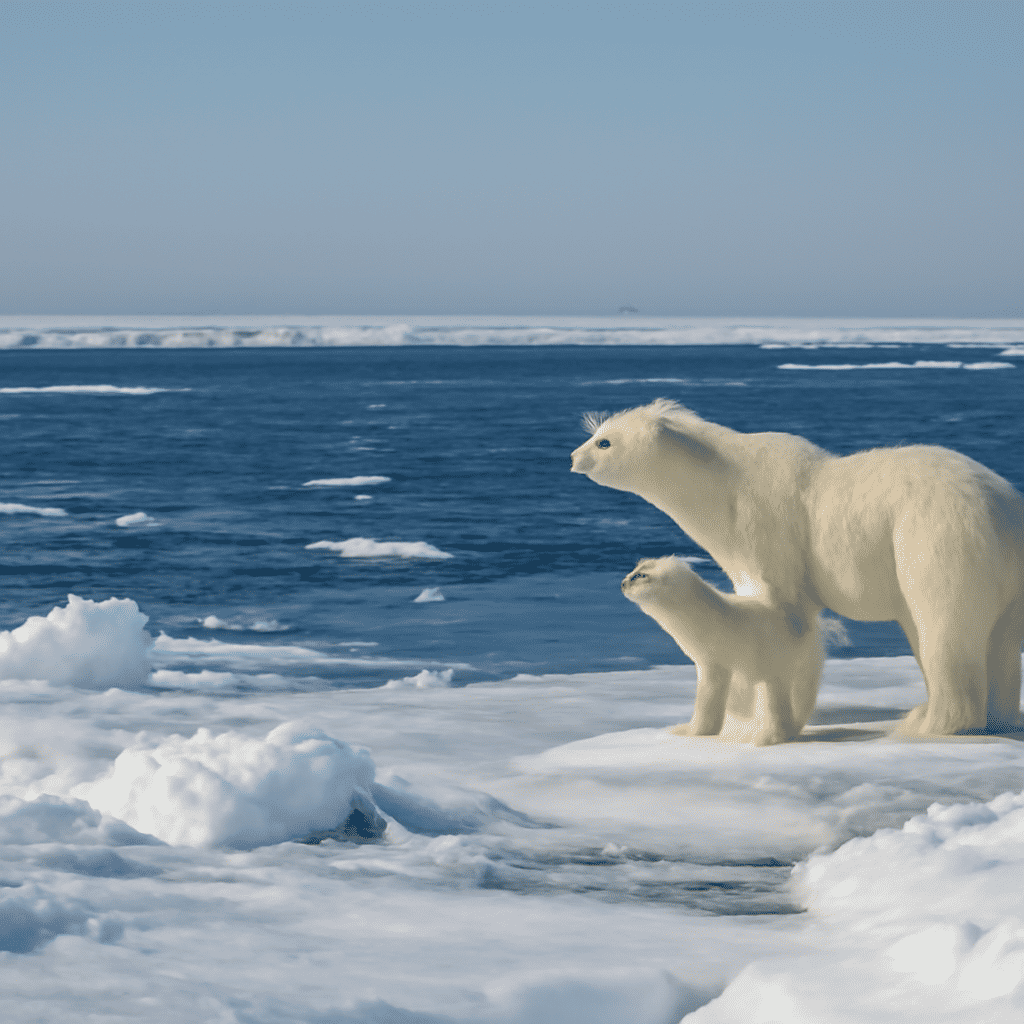
The latest findings underscore a marked acceleration in the melting of polar ice caps, contributing to rising sea levels that threaten coastal communities globally. With projections indicating that sea levels could rise by more than two feet by the end of the century, millions of people living in low-lying areas face increasing risks of displacement due to flooding and erosion.
In addition to sea level rise, new data reveal a troubling increase in the frequency and intensity of extreme weather events. From unprecedented heatwaves scorching Europe and North America to devastating hurricanes battering the Atlantic coastlines, these events not only strain infrastructure and resources but also pose severe challenges to public health and safety.
The studies also highlight significant changes in precipitation patterns, leading to prolonged droughts in some regions and increased flooding in others. This dual threat undermines water security and agricultural productivity, threatening food supplies and exacerbating existing socio-economic inequalities.
Beyond these immediate impacts, the research points to alarming consequences for biodiversity. Habitats are shifting, and species already vulnerable to environmental stressors are being pushed closer to extinction. This loss of biodiversity disrupts ecosystems and diminishes their ability to function effectively, further accelerating the cycle of climate change.
The findings stress that mitigating these impacts demands robust, coordinated global action. Reducing greenhouse gas emissions remains a critical priority, requiring a rapid transition to renewable energy sources and significant investment in sustainable infrastructure. Furthermore, adaptation measures, such as developing climate-resilient agriculture and infrastructure, must be prioritized to protect vulnerable populations.
International cooperation is essential in this endeavor, as climate change recognizes no borders. Nations must work collectively to enhance data sharing, support climate research, and develop innovative solutions. Policymakers are urged to implement stricter environmental regulations and incentivize the adoption of cleaner technologies.
Public engagement also plays a crucial role in driving change. Raising awareness about the tangible impacts of climate change can motivate communities to participate in local conservation efforts and advocate for more aggressive climate policies.
With the consequences of climate change becoming increasingly undeniable, these recent studies serve as a wake-up call. The time for action is now, and the responsibility rests on the shoulders of governments, businesses, and individuals alike to ensure a sustainable future for generations to come.