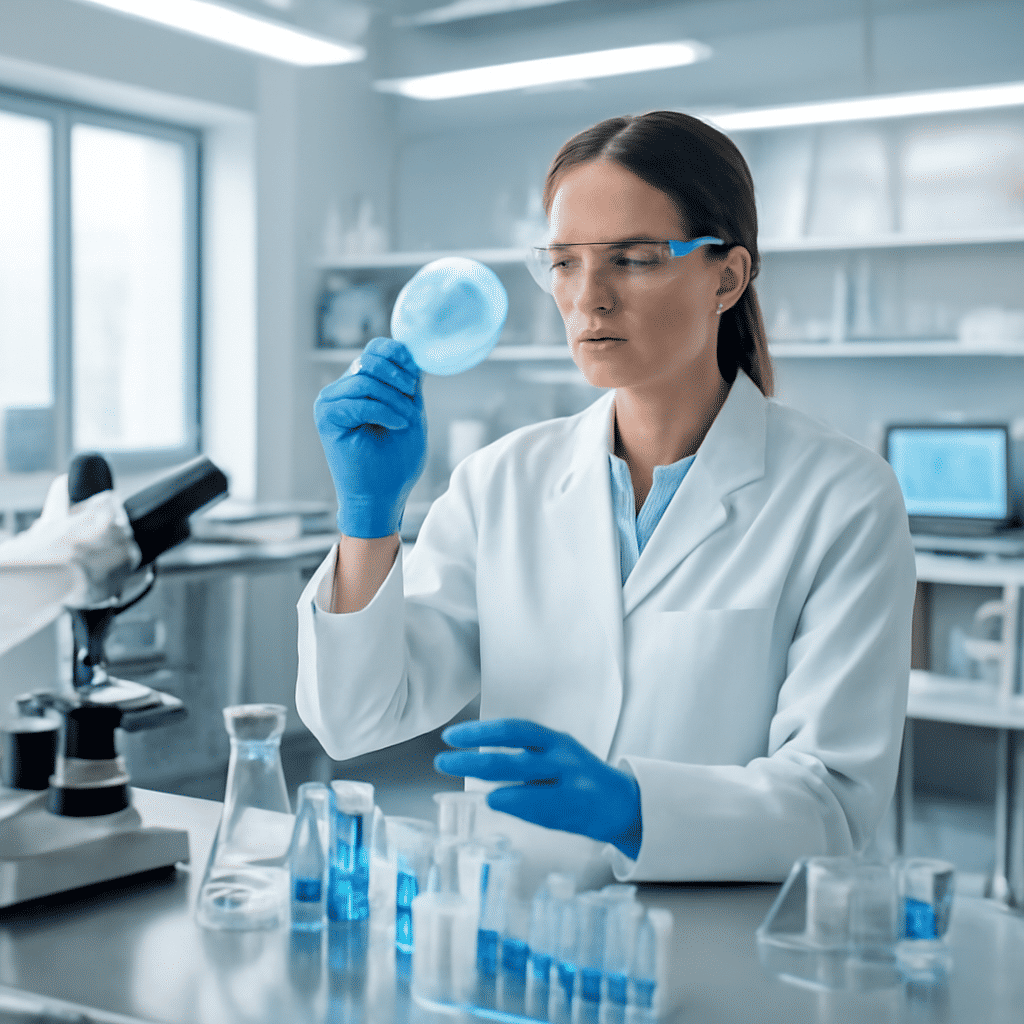
Biotechnology has become a cornerstone of modern innovation, driving transformative changes across healthcare and environmental sustainability. As scientific capabilities expand, the fusion of biology and technology is generating groundbreaking solutions that are reshaping industries and addressing some of the planet’s most pressing challenges.
One of the most significant advancements in the field is personalized medicine. By leveraging genetic information, healthcare providers can now tailor treatments to individual patients, increasing the efficacy of interventions and minimizing adverse effects. This shift from a one-size-fits-all approach to a more customized plan marks a pivotal change in how diseases like cancer, cardiovascular disorders, and rare genetic conditions are managed.
CRISPR-Cas9, a revolutionary gene-editing technology, exemplifies biotechnological ingenuity, offering opportunities to correct genetic defects, improve crop resilience, and even eliminate diseases at their genetic source. The ongoing research in gene therapy and regenerative medicine is providing hope for patients with previously untreatable conditions, ushering in an era of potential cures rather than just symptomatic relief.
Moreover, biotechnology is playing an essential role in environmental sustainability. With the world grappling with climate change and resource depletion, bioengineering innovations are crucial in creating sustainable solutions. Biofuels derived from algae and other organisms represent a renewable energy source that could significantly reduce greenhouse gas emissions. Biodegradable plastics and waste-to-energy technologies are reducing the environmental footprint of consumer goods and waste management systems.
Agricultural biotechnology has also seen remarkable progress, with genetically modified organisms (GMOs) leading to higher crop yields, enhanced nutritional content, and resistance to pests and diseases. These advancements support food security in a growing global population while reducing the need for chemical inputs that can adversely affect ecosystems.
Additionally, synthetic biology is emerging as a powerful tool in engineering microorganisms to perform specific functions. These engineered organisms can detoxify polluted environments, degrade hazardous substances, or produce valuable compounds, revolutionizing manufacturing processes and waste remediation.
However, the rapid advancement in biotechnology also raises ethical and regulatory considerations. Ensuring that these powerful technologies are used responsibly and ethically is paramount to prevent potential misuse and unintended consequences. Transparent regulatory frameworks and public engagement are vital to address societal concerns and build trust in biotechnological interventions.
In conclusion, biotechnology is at the forefront of tackling health and environmental challenges with innovative solutions that promise a healthier, more sustainable future. The ongoing collaborative efforts of scientists, policymakers, and industry leaders will be crucial in harnessing the full potential of these advancements while promoting ethical standards and societal benefit. The dynamic field is not only crafting the future but also bridging the gap between science and the well-being of our planet and its inhabitants.